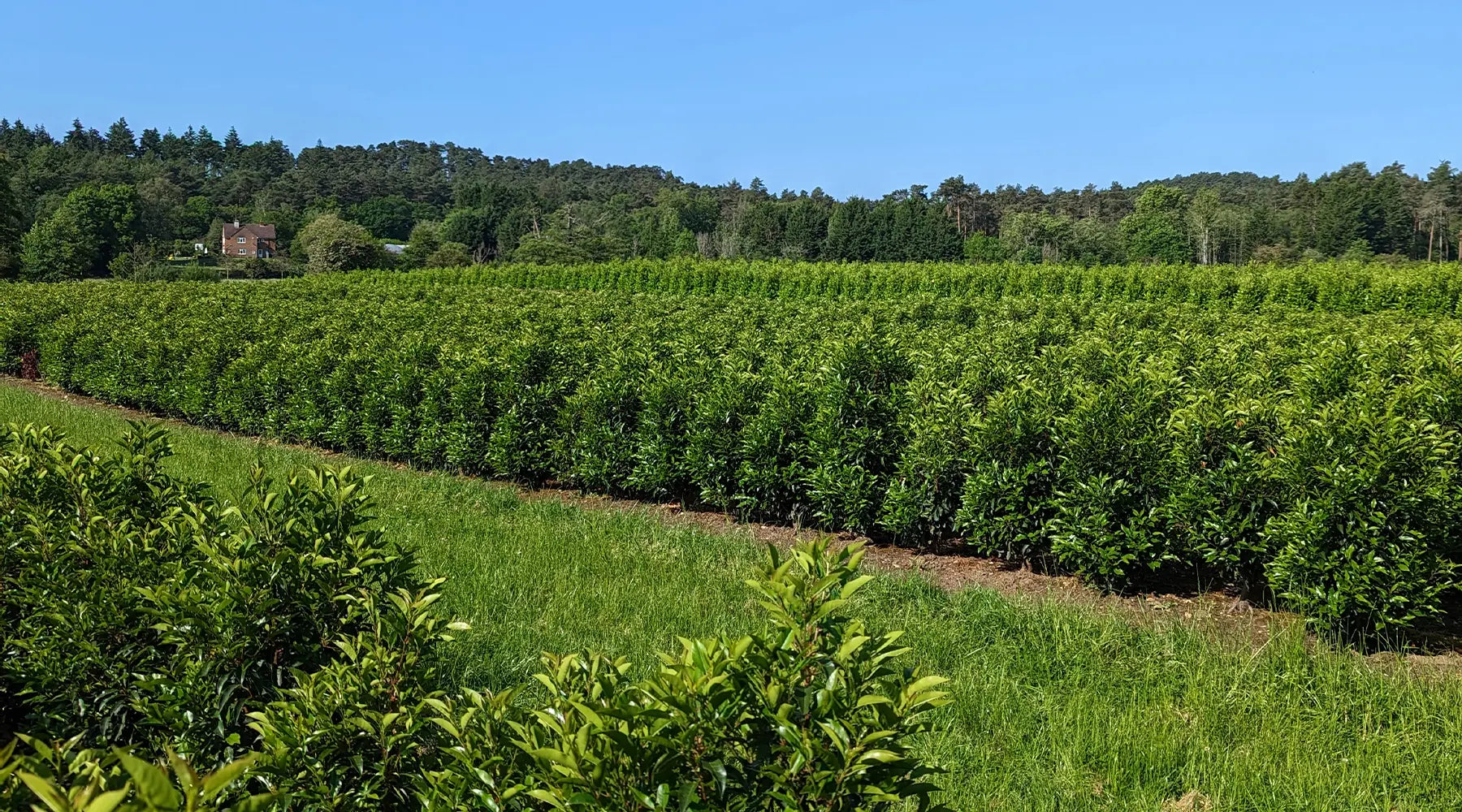

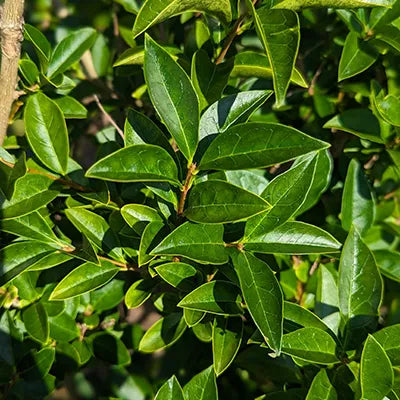



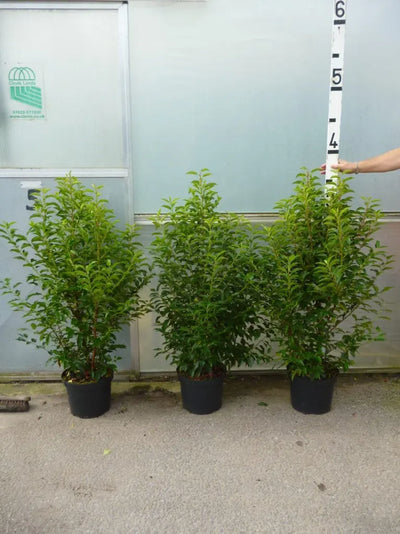
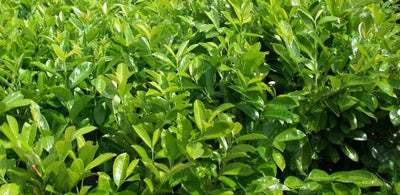
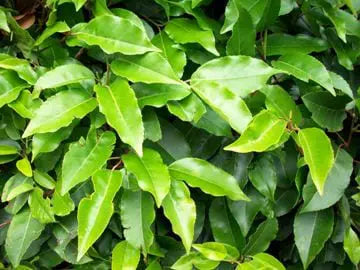
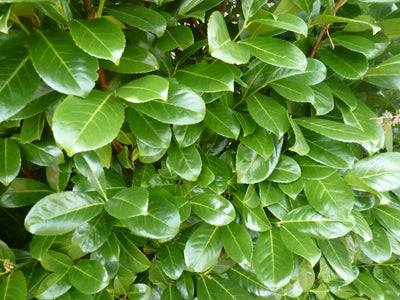
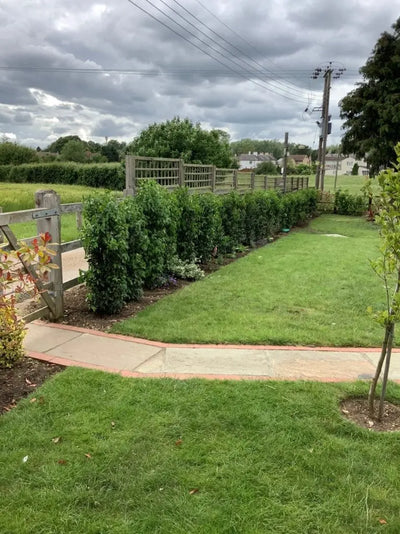
LAUREL HEDGING
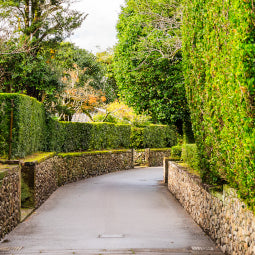
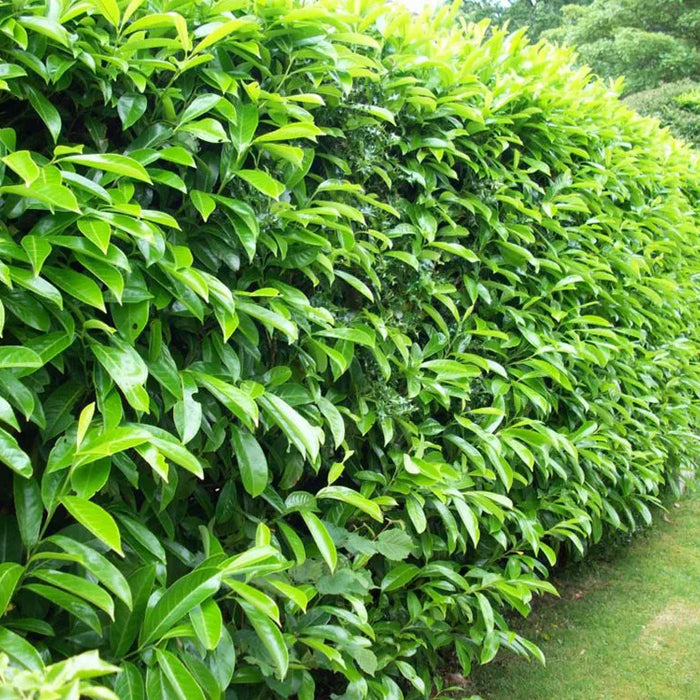
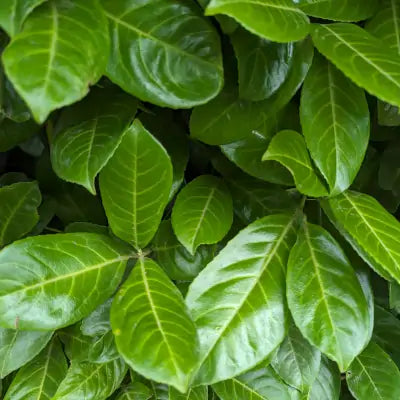
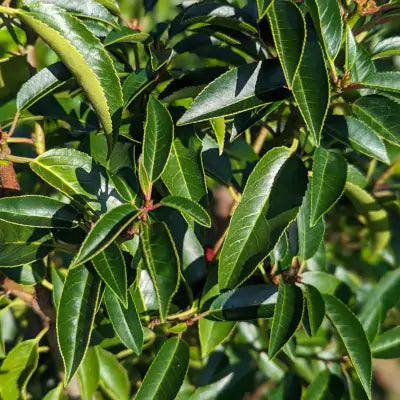
Laurel is a most useful hedging plant because it grows happily in shade and puts up with dry sites. Due to its all year round density laurel hedging provides winter protection for many small mammals and garden birds.

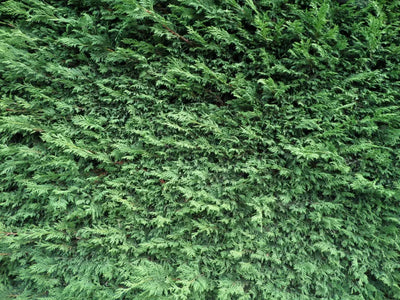
LEYLANDII HEDGING
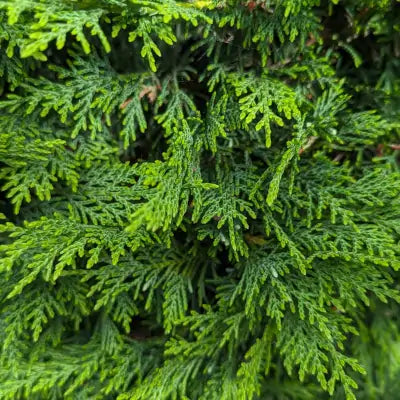
Leylandii hedging is the king of hedges quickly providing the privacy that you require. Leylandii are tough, a haven for wildlife and do a wonderful job. Leylandii do not like shade but will grow on almost any soil so long as it is not waterlogged and they respond well to annual clipping.

CASTLEWELLAN GOLD
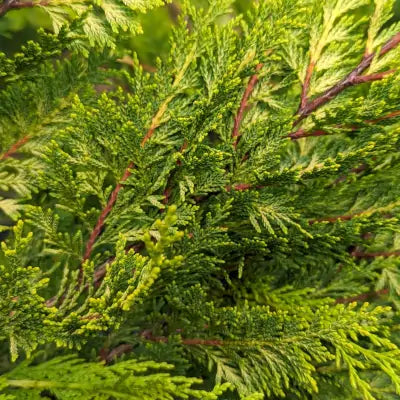
Castlewellan Gold is the golden form of Leylandii. It grows equally fast but prefers full sunlight to bring out the best of the colour.

YEW HEDGING (TAXUS BACCATA)
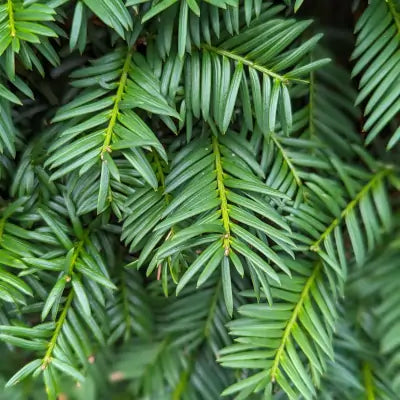
Yew (Taxus baccata) has been used for many centuries as a hedging conifer. Although it is slow growing it clips well and forms a dense hedge. It is more tolerant of shade than other hedging conifers but will not tolerate growing in damp places.

PORTUGUESE LAUREL
Portugese Laurel is much slower growing than ordinary laurel and is suitable for a smaller hedge. If allowed to grow untrimmed it will make a small tree which will flower prolifically in May time.

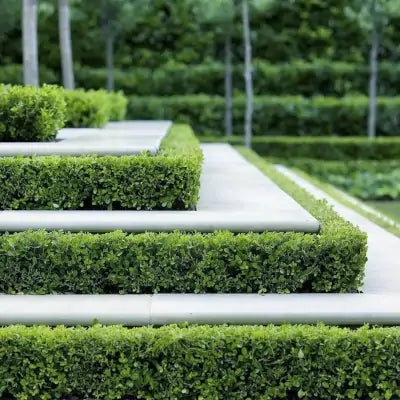
BOX HEDGING
Box Heding has been used for a very long time to make small hedges.
It is ideal for the job as it clips well and grows with a dense habit.

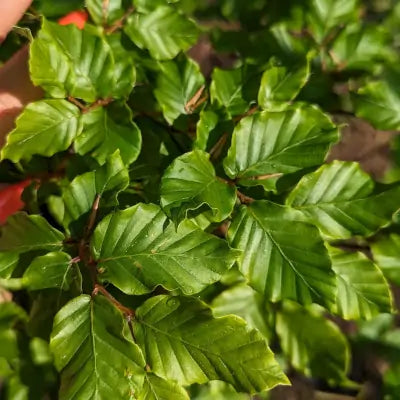
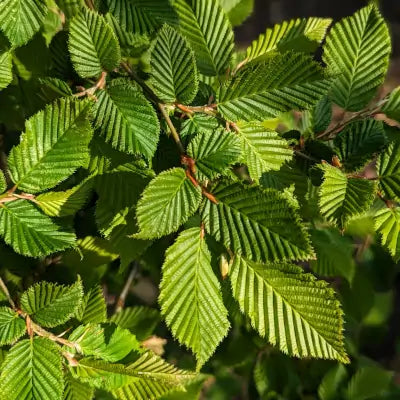
BEECH HEDGING
Beech grows on most soils but does not like waterlogged soils. It is however tolerant of light sandy soils and chalky soils. Beech like hornbeam has green leaves in the summer and the dead leaves hang on the hedge for most of the winter. It clips well and makes a solid hedge .

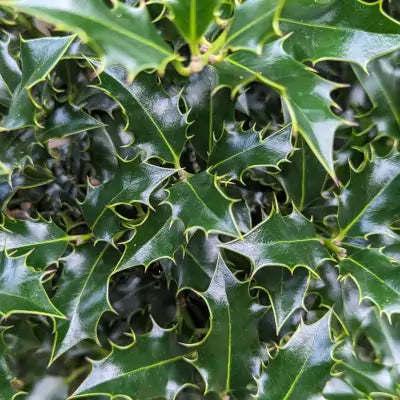
HOLLY
Holly is the only prickly evergreen plant suitable for hedging that is native to this country. Contrary to perceptions holly actually grows quite quickly and will form an excellent dense hedge in an acceptable time.

HAZEL
Hazel is an ancient and versatile tree which forms a multistem bush and coppices well. It is host to many types of wildlife and produces nuts in the autumn. It is traditionally used for hedging, as well as bean and pea sticks.

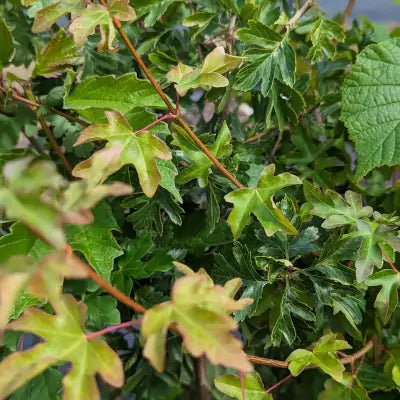
HORNBEAM HEDGING
Hornbeam is a very useful hedging plant. It is very similar to beech in that it has green leaves in the summer and the dead leaves hang on the hedge for most of the winter. It clips well and makes a solid hedge. It is most suited to growing on heavy clay soils such as you may find in Sussex.

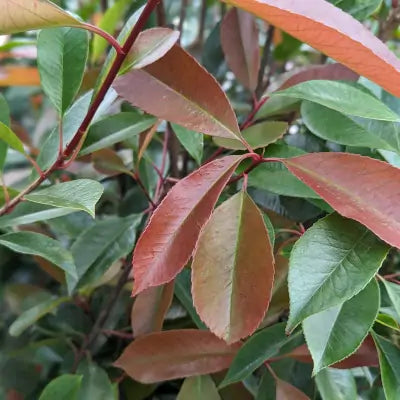
PHOTINIA 'RED ROBIN'
Photinia Red Robin can grow faster than laurel although it is not as dense or as robust as laurel. If looked after properly it can make an excellent evergreen hedge which grows rapidly and clips well. It makes an excellent specimen bush but as a hedge it can be unreliable.

THUYA ATROVIRENS
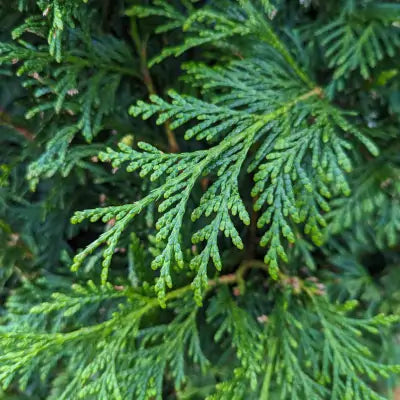
With its olive green shiny foliage Thuya atrovirens is a useful alternative to Leylandii as a hedging plant. It is slower growing but makes an excellent hedge which clips equally as well. The foliage when freshly cut has an aromatic scent and the oils from the foliage are claimed to have medicinal benefits.

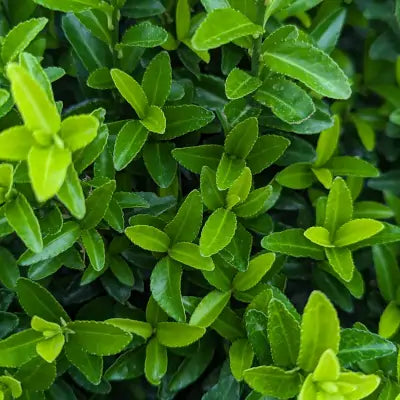
LONICERA NITIDA
Lonicera Nitida is a very useful evergreen hedging plant. It grows rapidly making a small hedge upto 5ft high. It clips well into a neat and formal looking hedge which is often mistaken for box..

PRIVET HEDGING
Privet grows quickly in most soils and clips easily to make a very tidy hedge. It should be planted at 45cms apart in a single row to make a dense hedge.

COMPOST, LEAKY HOSE, & FERTILISER
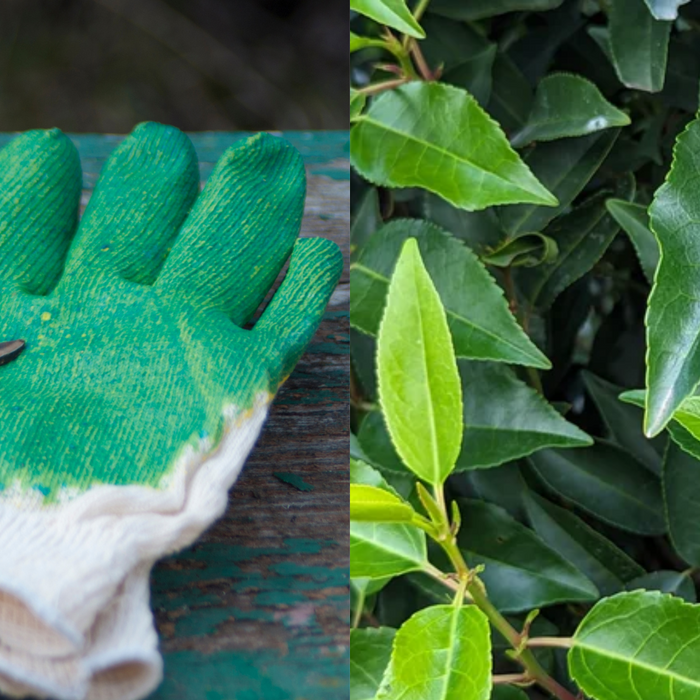
Planting compost,fertilizer and leaky hose all have an important part to play in the successful establishment of your plants.We supply planting compost, and slow release fertiliser and Leaky hose is essential for watering your newly planted hedge if you are planting in the summer.

Laurel and Leylandii Hedging for Sale – Evergreen Hedging Plants | Hedgesonline.com